Planning a Concert or Live Music Event? 7 Things to Get Right Before the Show
Posted on
There is a lot that goes into a great live music event that the audience never sees.
By the time the lights go down and the first note plays, someone has already thought through the venue, artist schedule, production, guest arrival, vendors, promotion, and dozens of details happening behind the scenes.
That is what makes planning a concert so different from simply putting a performance on a calendar.
With decades of experience producing live events, IMPACT Collective has seen firsthand how much happens behind the scenes to bring a show together. Since 1997, our team has produced events across the DC Metro Area, from intimate benefit performances to large-scale productions featuring nationally recognized artists.
Whether you’re looking for concert event planning in Washington, DC, organizing a live music event in Maryland, or planning a performance in Northern Virginia, here are seven things worth thinking about before show day.
1. Start With the Experience You Want to Create
Before getting into the logistics, think about the experience.
What should guests feel when they walk through the doors?
A concert designed to showcase an artist may have a very different atmosphere from a fundraising performance, corporate event, festival, or private celebration.
Knowing the purpose of the event helps shape everything that follows, from the venue and audience to the entertainment and overall flow.
2. Find a Venue That Works Beyond the Stage
A venue can look perfect in photos and still create challenges once the planning begins.
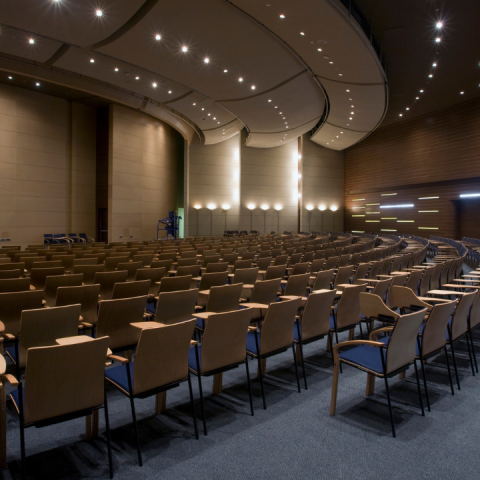
When choosing a space, consider more than capacity and appearance. Think about sound, production capabilities, artist areas, load-in, parking, accessibility, guest flow, and any restrictions that could affect the event.
The right venue should support the experience you are trying to create while also making the practical side of production possible.
3. Get Everyone on the Same Page
A live music event can involve artists, managers, venues, production teams, vendors, sponsors, staff, and other partners.
Everyone may have a different role, but their timelines are connected.
Artist arrival affects soundcheck. Soundcheck affects doors. Doors affect the performance schedule. The performance schedule can affect catering, VIP experiences, transportation, and more.
Clear communication before the event helps those pieces work together instead of becoming last-minute problems.
4. Plan What Happens Before the Audience Arrives
Some of the most important parts of a concert happen before guests ever walk through the door.
Who is arriving when?
When does setup begin?
When is soundcheck?
When does the team meet?
When do vendors need access?
When are artists ready?
A detailed event timeline gives everyone a shared reference point and helps the team respond when something inevitably changes.
Because with live events, something unexpected will almost always happen.
5. Give People a Reason to Show Up
Even the best live music event needs an audience.
Promotion should start early and should focus on the people you actually want to reach.
That might mean social media, email marketing, artist promotion, venue partnerships, community outreach, event listings, or a combination of several channels.
But beyond where you promote, the message matters.
People need to understand why this particular event is worth attending.
Is it the artist? The atmosphere? A special performance? A cause? A unique experience?
That should come through clearly in your promotion.
6. Don’t Forget the People in the Audience
It is easy to become so focused on the stage that the guest experience becomes an afterthought.
But for the audience, the event starts long before the first performance.
They are thinking about where to park, where to enter, where to check in, where to sit, what happens between performances, and who they can ask for help.
Small details can shape how people remember the entire event.
A well-planned guest experience allows people to spend less time worrying about logistics and more time enjoying the show.
7. Have Someone Watching the Whole Picture
This may be one of the biggest challenges of planning a live event.
When you’re responsible for the artist, venue, vendors, timeline, promotion, and guests, it can be difficult to step back and see how everything is working together.
That is where an experienced event planning team can make a difference.
Instead of managing every moving piece yourself, you have someone helping coordinate the details, communicate with the different teams, and keep the event moving toward the experience you originally envisioned.
The Best Part of a Live Event Is What the Audience Doesn’t Have to Think About
When a concert runs smoothly, guests rarely think about everything happening behind the scenes.
They simply enjoy the music.
They connect with the artist. They spend time with the people around them. They remember the atmosphere and the experience.
That is the result of thoughtful planning.
At IMPACT Collective, we understand that producing a concert or live music event is about bringing many moving pieces together while keeping the bigger experience in focus.
Whether you’re planning a concert, live performance, festival, corporate event, or another live entertainment experience in Washington, DC, Maryland, or Northern Virginia, we’re here to help bring it together.
Planning Your Next Live Event?
Have an event in mind? Let’s talk about your vision, goals, and what it will take to bring it together.
Schedule a Complimentary Consultation.